Research
Below are the main directions of current and ongoing work in the lab.
Ongoing
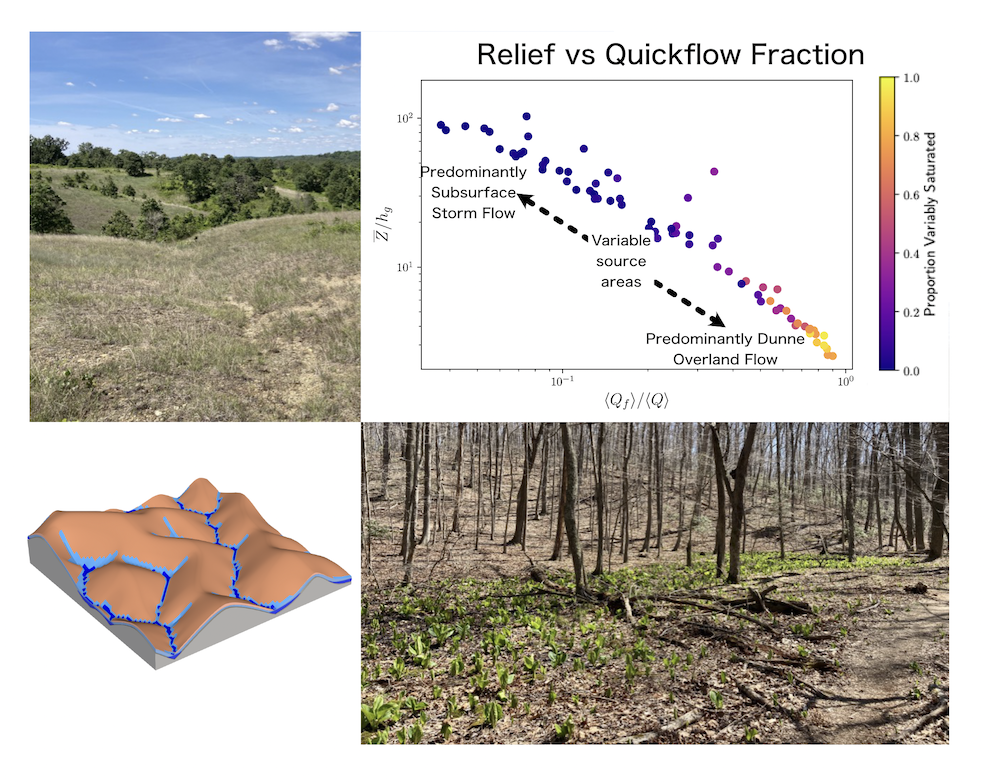
Groundwater and landscape coevolution
Our foundational work involved developing coupled groundwater–landscape evolution models to understand how subsurface properties and climate are expressed in topography, and how landscapes respond to tectonics. Ongoing work tests this with data.
Litwin, D. G., Tucker, G., Barnhart, K., & Harman, C. (2020). GroundwaterDupuitPercolator: A Landlab component for groundwater flow. Journal of Open Source Software. https://doi.org/10.21105/joss.01935
Litwin, D. G., Tucker, G. E., Barnhart, K. R., & Harman, C. J. (2022). Groundwater affects the geomorphic and hydrologic properties of coevolved landscapes. Journal of Geophysical Research: Earth Surface. https://doi.org/10.1029/2021JF006239
Litwin, D. G., Tucker, G. E., Barnhart, K. R., & Harman, C. J. (2024). Catchment coevolution and the geomorphic origins of variable source area hydrology. Water Resources Research. https://doi.org/10.1029/2023WR034647
Litwin, D. G., & Harman, C. J. (2024). Evidence of Subsurface Control on the Coevolution of Hillslope Morphology and Runoff Generation. Water Resources Research. https://doi.org/10.1029/2024WR037301
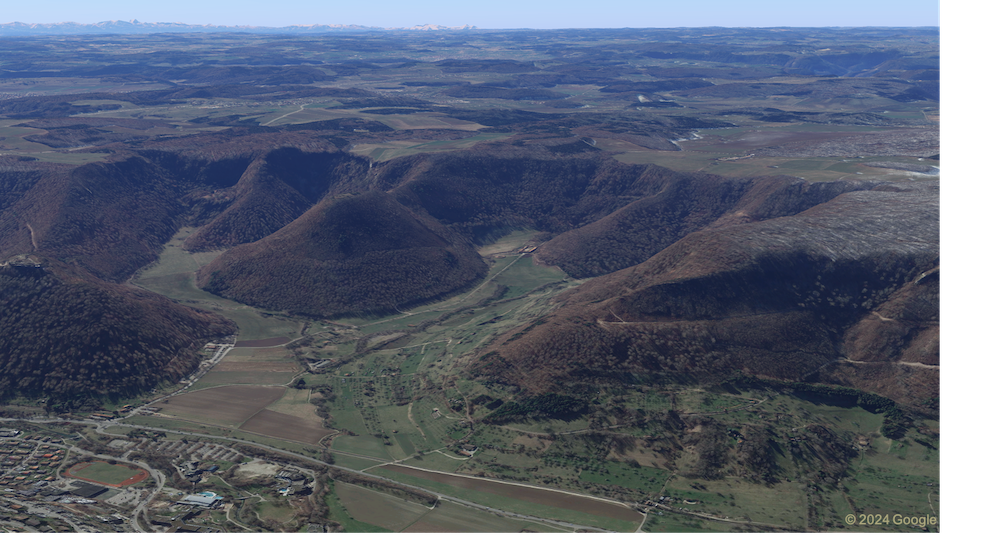
Groundwater and tectonic geomorphology
In karst landscapes, groundwater can flow efficiently across topographic divides rather than following slope, with consequences for how landscapes respond to tectonics and baselevel change. We use numerical models to study these dynamics in places like the karstified plateau between the Rhine and Danube watersheds.
Litwin, D. G., & Malatesta, L. C. (2026). Slower erosion in carbonate landscapes due to partitioning of energy between surface and groundwater flow. Geology. https://doi.org/10.1130/G54788.1

Groundwater, slope creep, and failure
We are working on how groundwater dynamics influence soil creep and slope failure under extreme precipitation — a growing hazard concern as storm intensity shifts with climate change.
Houssais, M., Litwin, D. G. (Submitted). Modeling hillslope sediment creep dynamics triggered by seepage events.
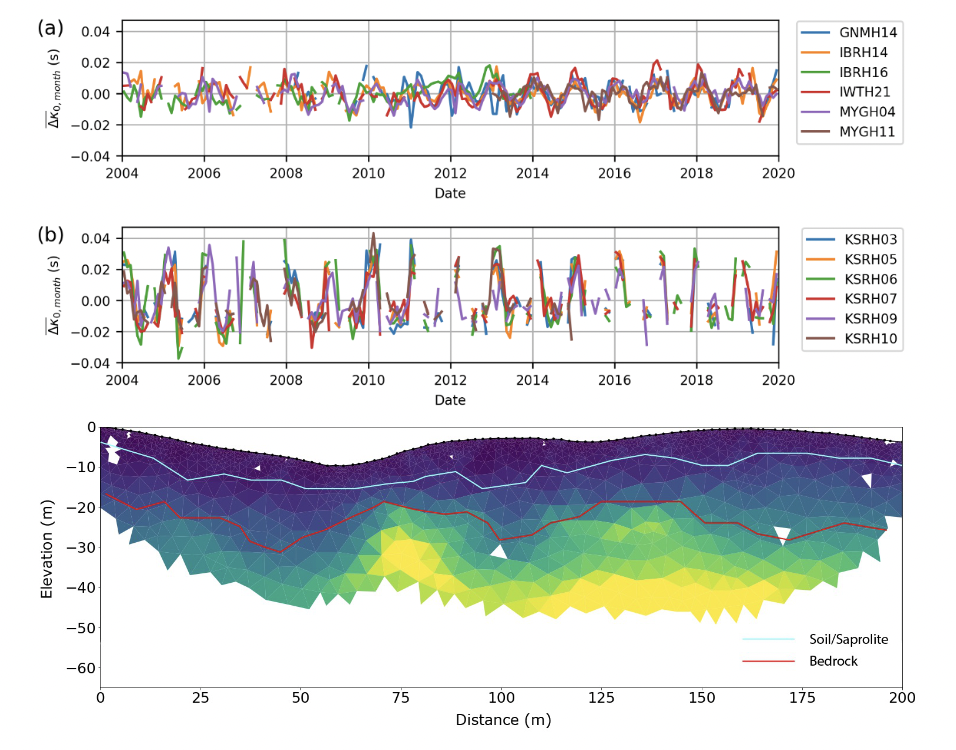
Hydrological insights with geophysics
Geophysical and seismic methods are powerful tools for probing CZ structure. We collaborate with geophysicists and seismologists to bring hydrological expertise to their work, for example, helping interpret how seasonal hydrology may drive changes in seismic wave attenuation.
Händel, A., Pilz, M., Malatesta, L. C., Litwin, D., & Cotton, F. (2025). Detecting seasonal differences in high-frequency site response using κ0. Seismica. https://doi.org/10.26443/seismica.v4i1.1425
Motz, S., Litwin, D. G., Chiaviello, A., Flinchum, B., Harman, C. J. (2022). NS32B-0369: Looking for the Fill-and-Spill Mechanism with Ground Penetrating Radar–Panola Mountain, Georgia. Poster. American Geophysical Union Fall Meeting.
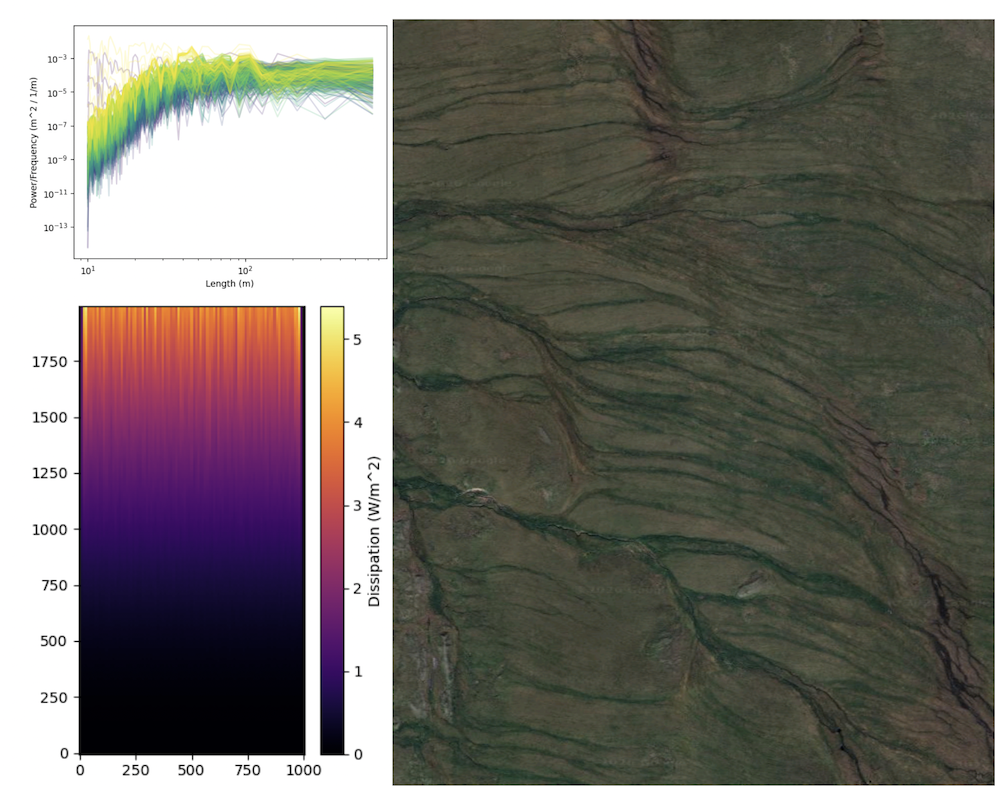
Groundwater and landscape change in cold regions
We are developing models that couple shallow groundwater flow to the thermal dynamics of permafrost thaw, to understand how subsurface properties shape the emergence of melt patterns in Arctic and high-latitude landscapes.
Future Work
Future Directions
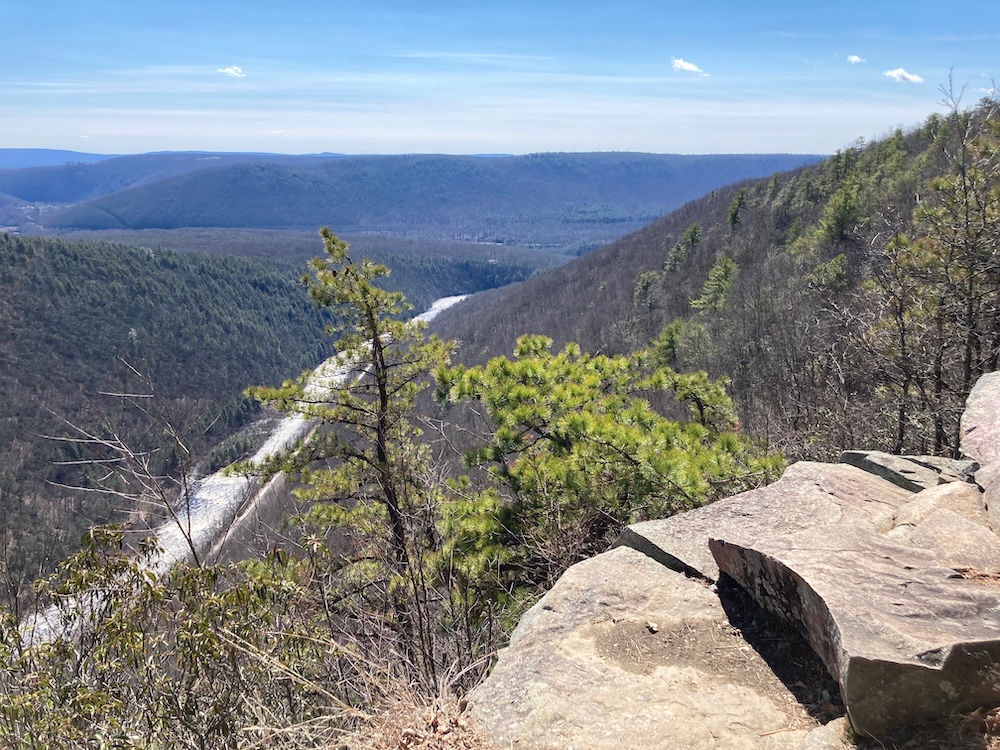
Future work in the lab will extend these themes toward water resources under climate and land-use change — including questions about regional groundwater recharge and groundwater-dependent ecosystems in mountainous headwaters. I'm also interested in growing research connecting hydrology to local water issues in the Philadelphia region. Students are welcome to bring their own project ideas in any of these areas, or in CZ hydrology and geomorphology more broadly.
Past
Channel-hillslope coupling
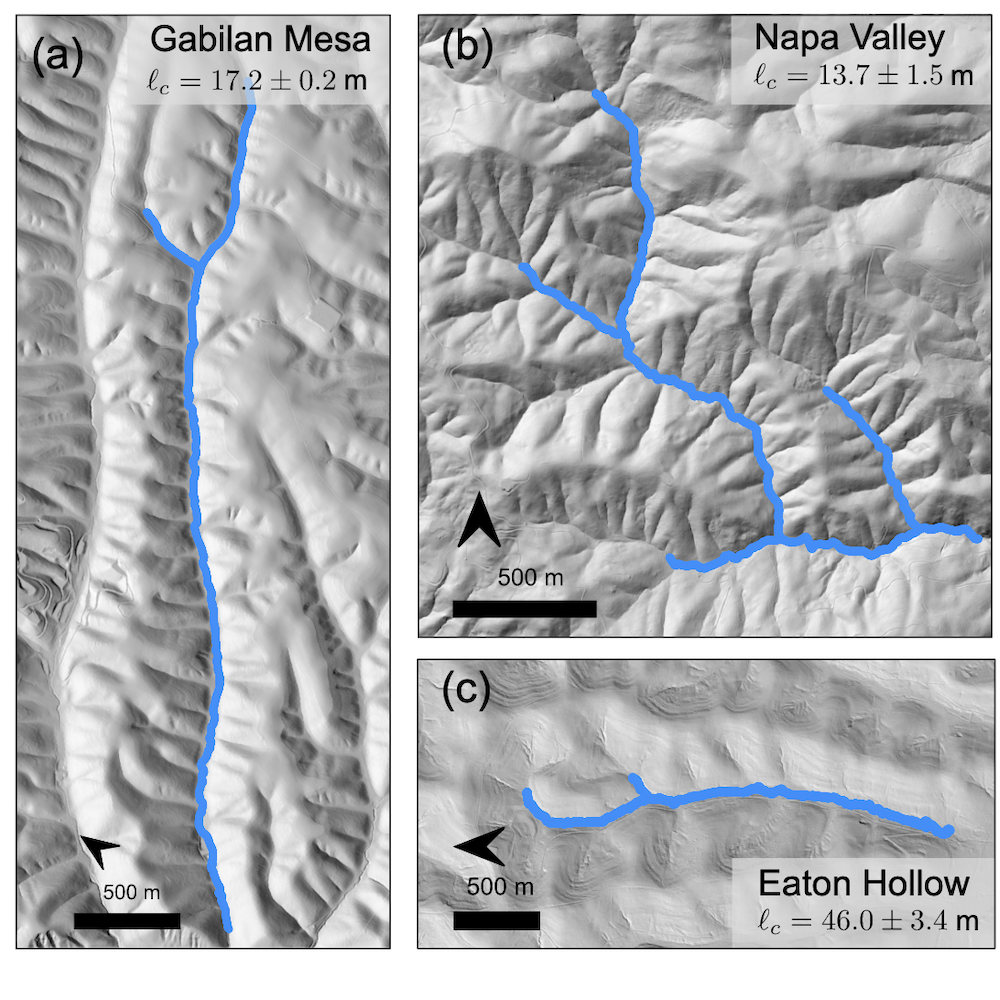
This work aimed to improve understanding of the link between hillslope and channel processes, identifying scaling relationships and limitations that affect how widely-used landscape evolution models should be interpreted.
Litwin, D. G., Malatesta, L. C., & Sklar, L. S. (2025). Hillslope diffusion and channel steepness in landscape evolution models. Earth Surface Dynamics, 13(2), 277–293. https://doi.org/10.5194/esurf-13-277-2025